
ELECTRA IC delivers engineering services in ASIC/FPGA design, microchip development, embedded systems, and verification for local and international clients. The company also develops IP cores, embedded products, and provides consultancy for DO-254, ISO 26262, and EN 50129 compliance. As a certified Doulos partner, it offers 200+ advanced trainings in FPGA and embedded systems. Founded in 2014 at Teknopark Istanbul and expanded to Ankara in 2018, ELECTRA IC serves sectors such as defense, transportation, telecom, healthcare, and energy with innovative solutions.

Accelerate your 5G NR development with the PRACH Design and Verification Package, compliant with O-RAN Split 7.2X, which includes an end-to-end MATLAB model, an RTL implementation of the MATLAB design, and a verification environment for bit-exact testing. The system provides comprehensive support for all PRACH formats and indices defined in the 3GPP 38.211 standard. With flexible compatibility for sequences of length 139 and 839, it delivers reliable performance across a range of deployment scenarios. Capable of decoding up to eight frequency-division multiplexed PRACH signals simultaneously, the system also supports 15 kHz and 30 kHz subcarrier spacing for short formats, enabling broad application coverage.
ARINC 429 IP Core implements ARINC 429 standard. IP Core contains Rx and Tx processing blocks, Controller Block, Internal Memory and External Memory Interfaces. A429 IP communicates with CPU (Central Processing Unit) and external memory through AXI interface. IP Core uses the AXI interface as an internal local bus. AXI interface is a 32-bit data bus which has 32-bit addressing and 32-bit read and write channels. IP supports 32 receive channel numbers and 16 transmit channel numbers. The IP is designed to be compatible with DO-254. ARINC 429 IP is field approved.
ARINC664 Switch IP implements ARINC664 part 7 and provides switching functionality within the ARINC664 network. As an implementation of ARINC664 Switch, IP switches/routes messages of different sizes and time constraints to their destination with a predictable delay. Two levels of priority can be applied to the VLs during device configuration. Thus, the switch can arrange the data queues according to these priorities. Thanks to the AXI4 interface provided with IP Core, error statistics can be fetched to a desired logic, and data injection to the network can be accomplished if desired.
ARINC664 End System IP is an IP Core that implements ARINC664 part 7 and provides interface between aircraft LRUs and ARINC664 network. As an implementation of End System, IP sends the user's messages of different sizes and different time constraints to their destination with a predictable delay. Since the IP core uses the Ethernet interface when connecting to the network, it takes full advantage of the physical layer functions that Ethernet offers. Thanks to the AXI4 interface provided with IP Core, adaptation can be made between any protocol and ARINC664.
MIL-STD-1553 IP is an IP Core which implements the MIL-STD-1553B standard and provides a single or multi-functional interface between the host processor and the MIL-STD-1553 bus transceiver. MIL-STD-1553 IP can function as a Bus Controller (BC), two separate Remote Terminal (RT) and a Bus Monitor (BM) simultaneously.
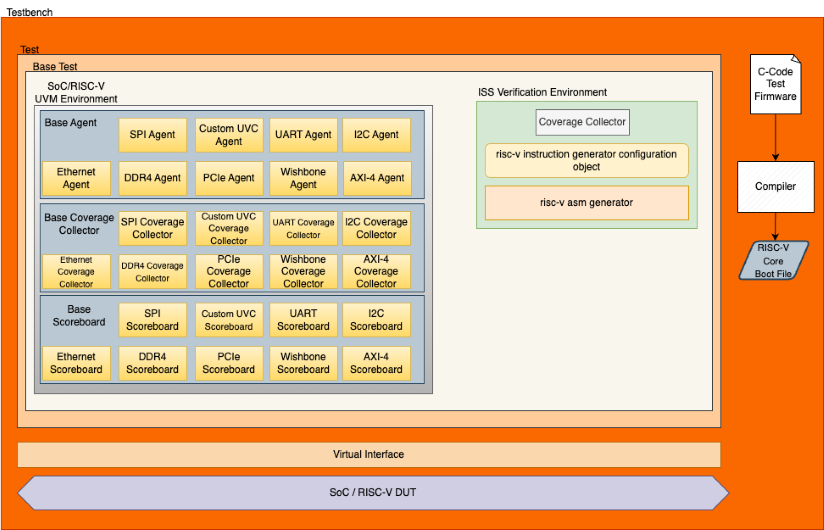
EAVS is a flexible, plug-and-play verification environment based on SystemVerilog and UVM. It offers configurable and scalable support for RISC-V and ARM-based designs. With the built-in Google-DV RISC-V Instruction Set Simulator, seamless verification of RISC-V cores is enabled. The environment includes VIP-based support for common interfaces such as UART, I2C, SPI, PCIe, Ethernet, AXI, and DDR2/3/4. Designed for rapid integration and minimal setup effort, EAVS streamlines and accelerates your verification process.
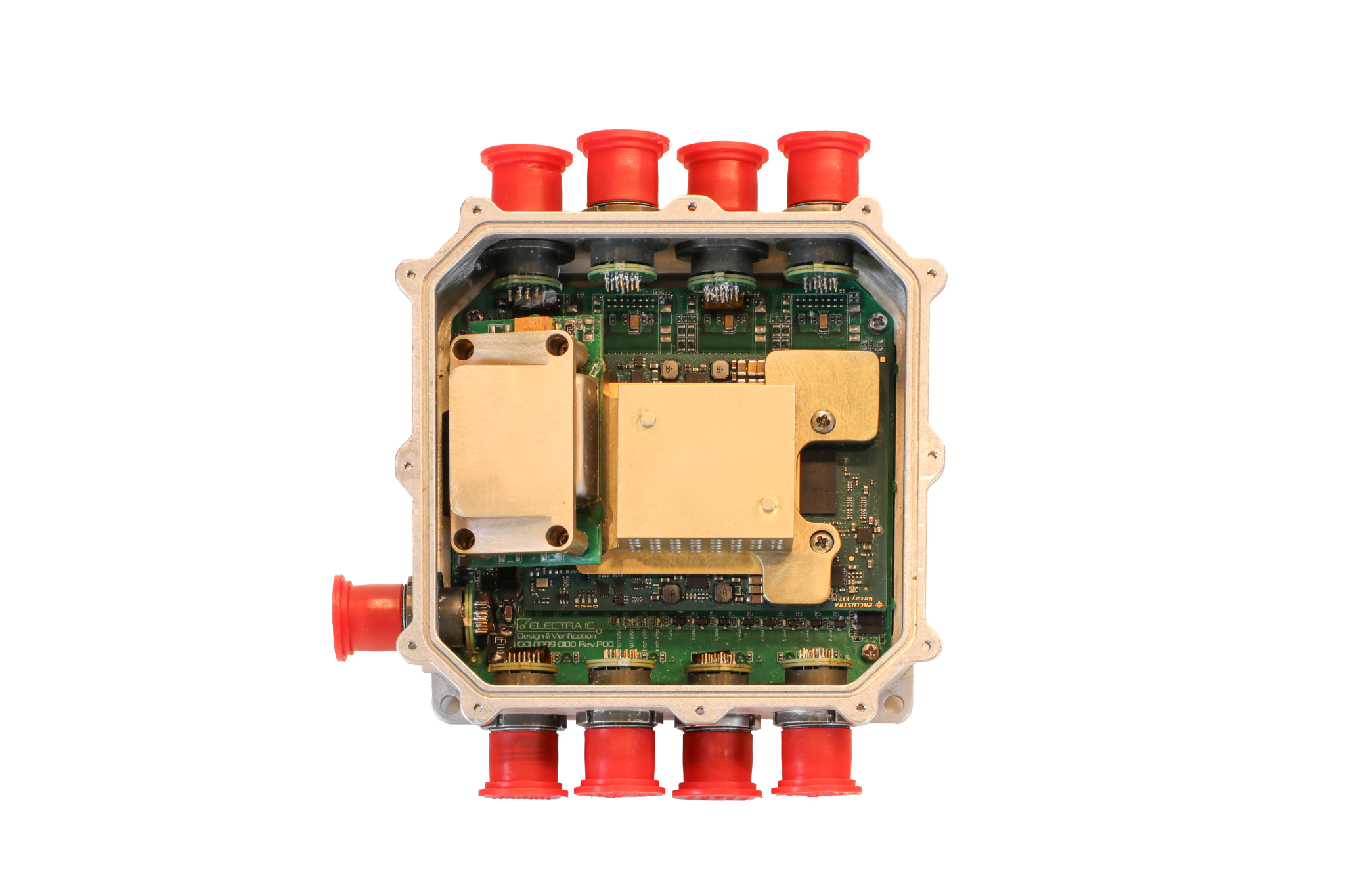
ARINC664 End System Equipment implements ARINC664 part 7 and provides interface between aircraft LRUs and ARINC664 network. It offers an adaptation between RS-422/ARINC664 and Ethernet/ARINC664. In this manner, four RS-422 ports and one Ethernet port are added to the design such that an easy adaptation can be done when a customer wants to use LRUs with flight heritage. Equipment also has a test mode that measures the latency occurred on messages of the relevant VL number.
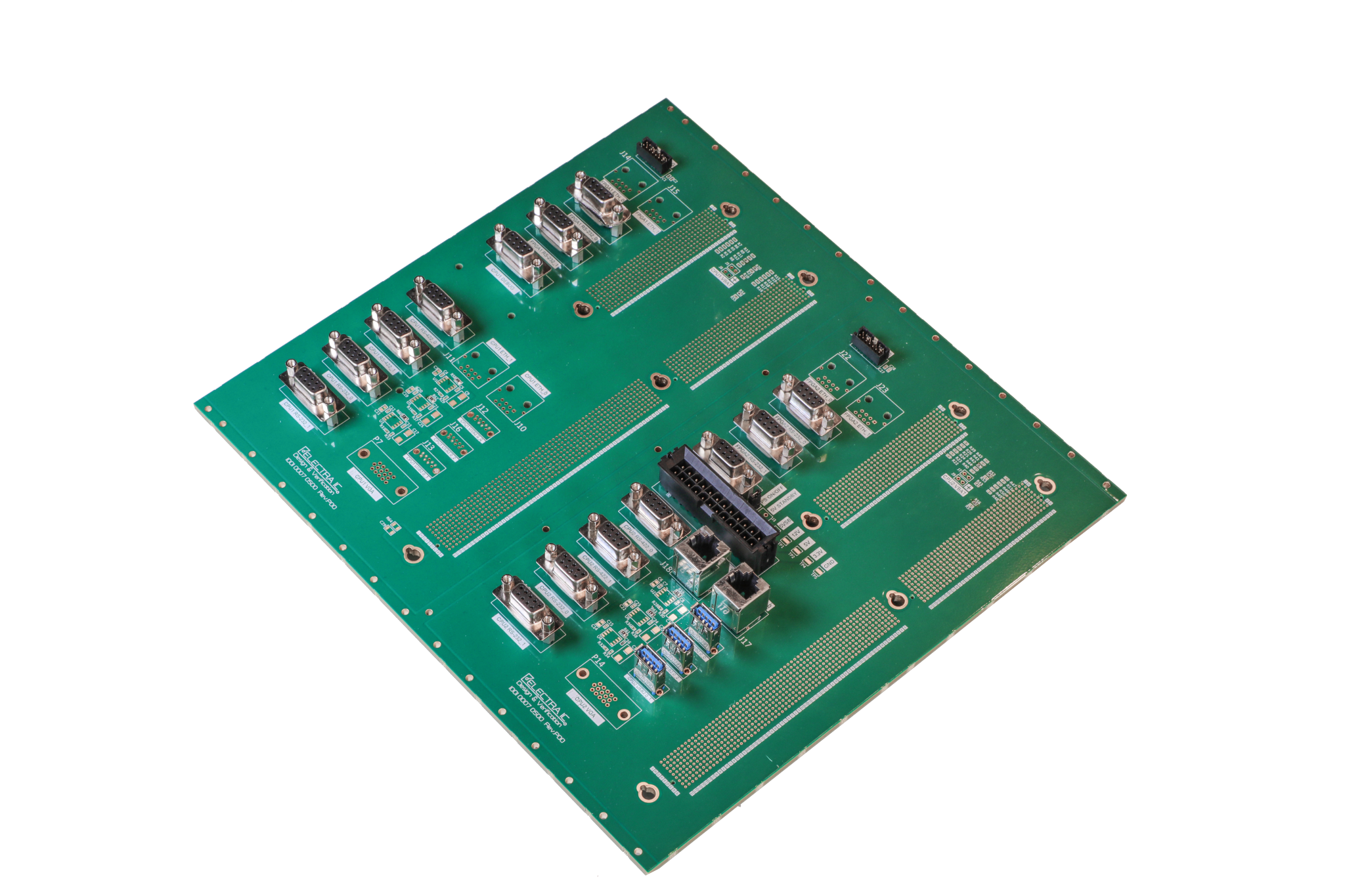
The VPX3-CH101 is an open-frame chassis designed for development and testing, ideal for 3U VPX system development. It supports up to 10 slots for custom or COTS 3U VPX backplanes and includes an ATX power connector with remote power on/off capability via an Ethernet interface. Cooling is provided by a front speed-controlled 300 CFM fan and two rear speed-controlled 60 CFM fans. Weighing 5.3 kg, the system features a 750W power supply delivering up to 62.5A at +12V, 20A at +5V, 20A at +3.3V, 0.3A at -12V, and 3A at +5Vsb, all through an ATX connector.
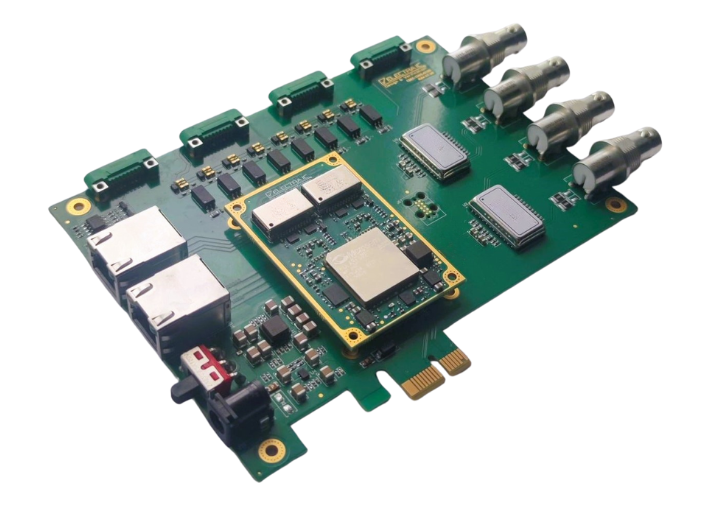
The Avionics Interface Converter is a versatile interface card designed for testing avionics interfaces. It supports MIL-STD-1553 and ARINC-664 communication protocols. This board facilitates the integration and data communication of avionics systems, offering the high reliability of the 1553 bus and the fast data transmission of the A664 Ethernet-based protocol. The card is developed to enable seamless communication with critical avionics devices used in aircraft platforms. Its modular design allows it to be easily customized for both military and commercial aviation applications.
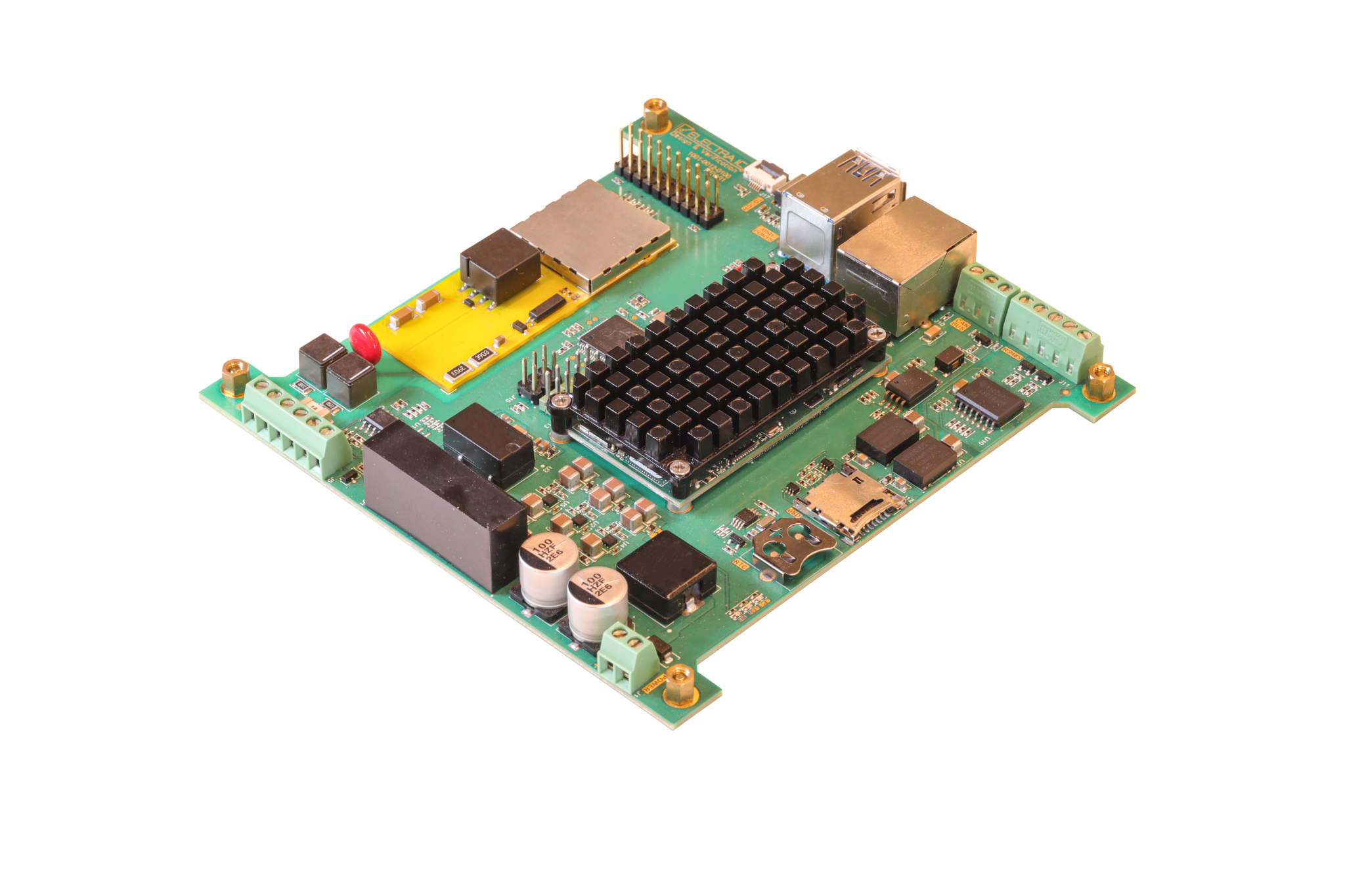
Within the electric vehicle charging ecosystem, it performs the functions of charging control and communication over the power line (PLC). Thanks to its robust hardware design, it easily supports the latest charging standards and adapts to many charging systems with flexible communication options. This system is suitable for use in charging stations, wall-mounted charging units, and electric vehicles, as well as for design and simulation studies. Thanks to its expansion options, it can be flexibly and effectively utilized in various industrial applications.
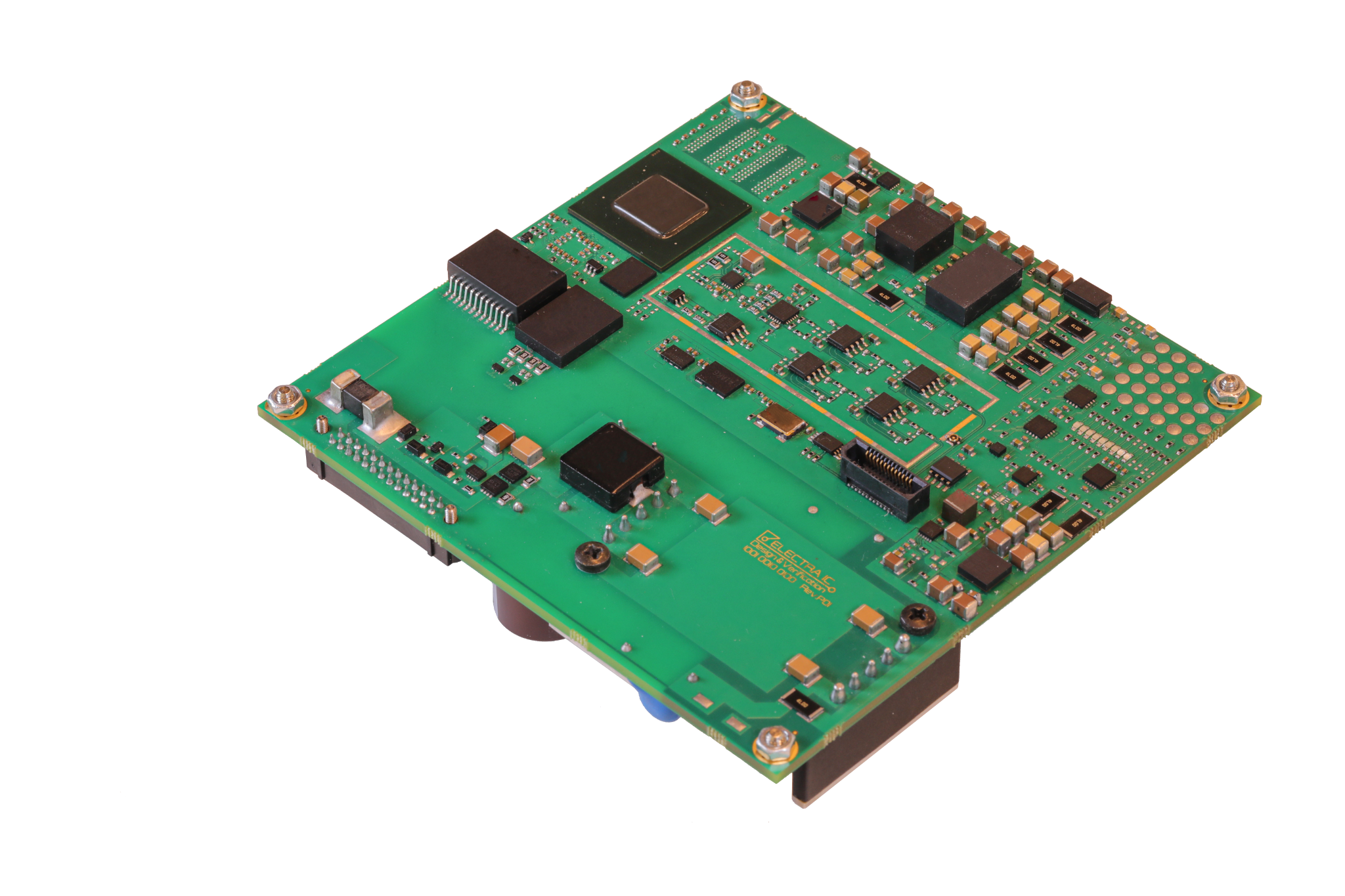
The BitFlex-SPB-A7, an advanced hardware design platform centered around the powerful Xilinx Artix-7 FPGA. This cutting-edge board boasts high-performance capabilities and a comprehensive set of peripherals, including Ethernet, RS422/RS485, and high-speed DDR3 memory. Designed for versatility, the BitFlex-SPB-A7 goes beyond the ordinary with diagnostic features such as voltage/current and temperature monitoring, along with a supervisory circuit. These advanced functionalities make it an ideal choice for a broad spectrum of applications, particularly in signal processing.
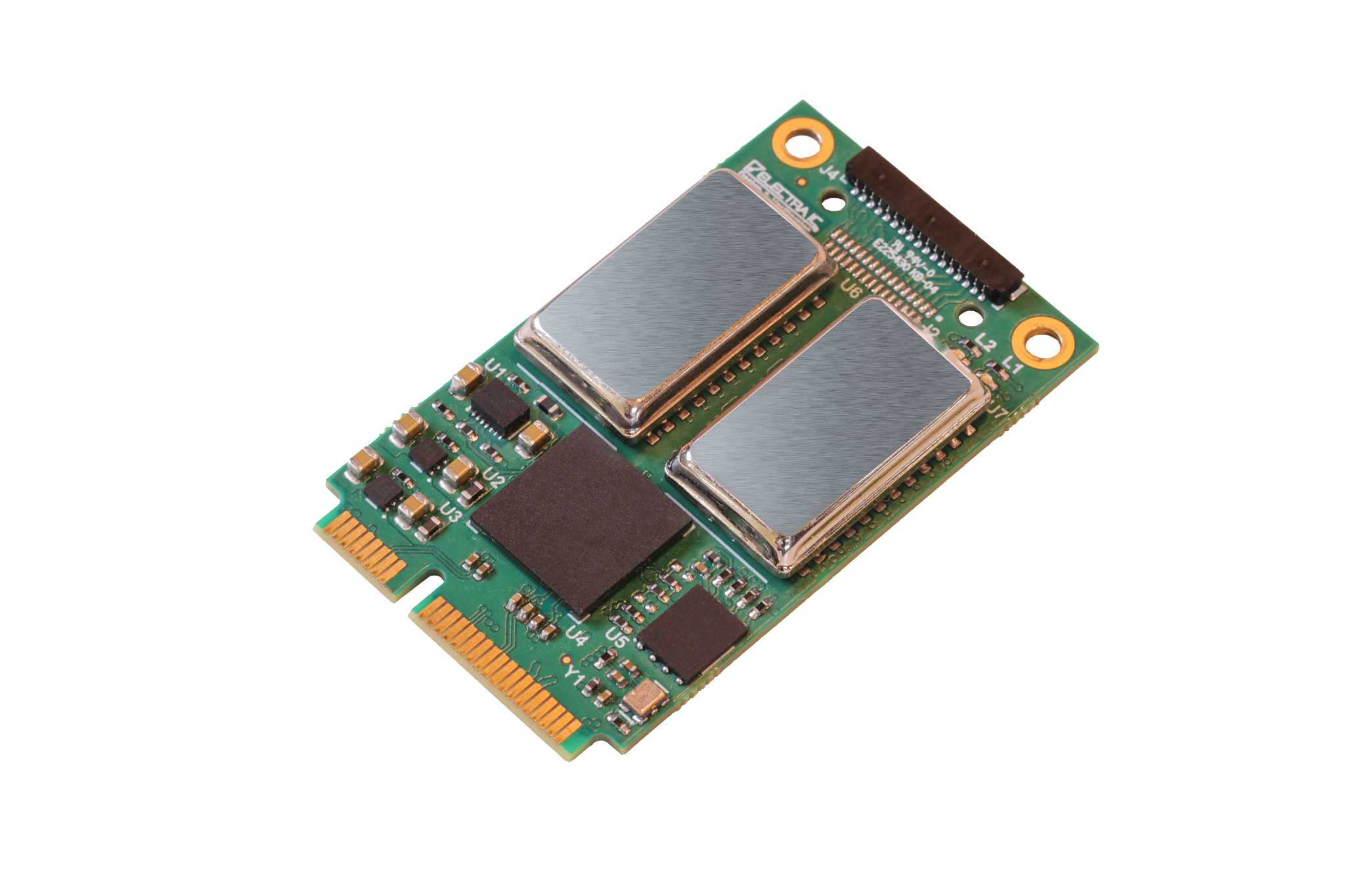
This Full-Mini Card Form Factor F2 PCIe Board allows two dual redundant MIL-STD-1553 channels to be easily added to any small embedded system to provide a cost-effective, lightweight, small-size, rugged, and reliable 1553 bus interface. The board can meet rugged levels of shock and vibration along with a maximum temperature range of -40°C to +85°C.
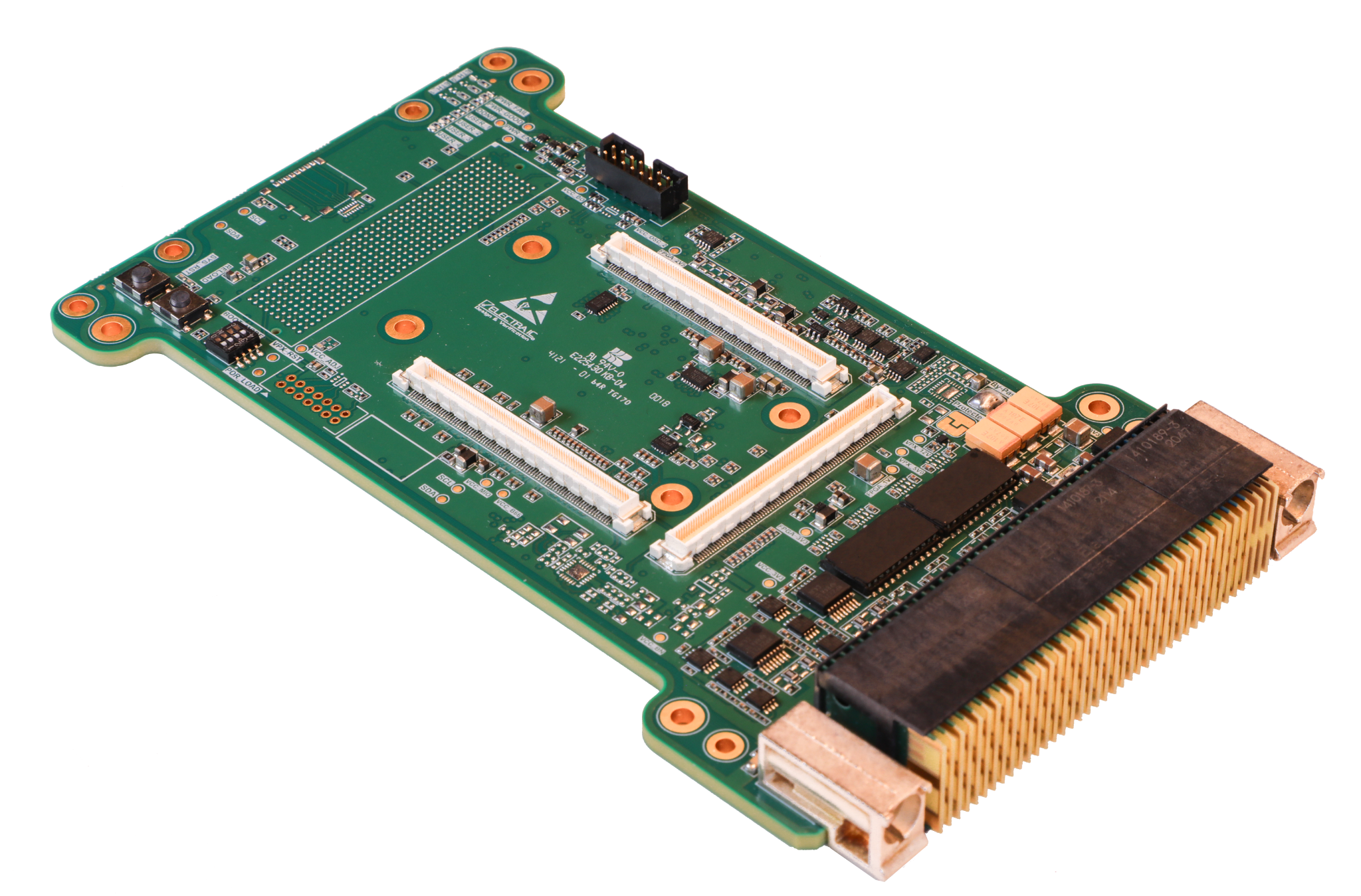
The BitFlex-VPX3-MZQU is a high-performance FPGA processing module based on the Xilinx Zynq UltraScale + family of FPGAs. It provides multiple high-speed fabric interfaces, external memory, an FMC site, and high-density I/O. It is ideal for customizable, high-bandwidth, signal-processing and image-processing applications.
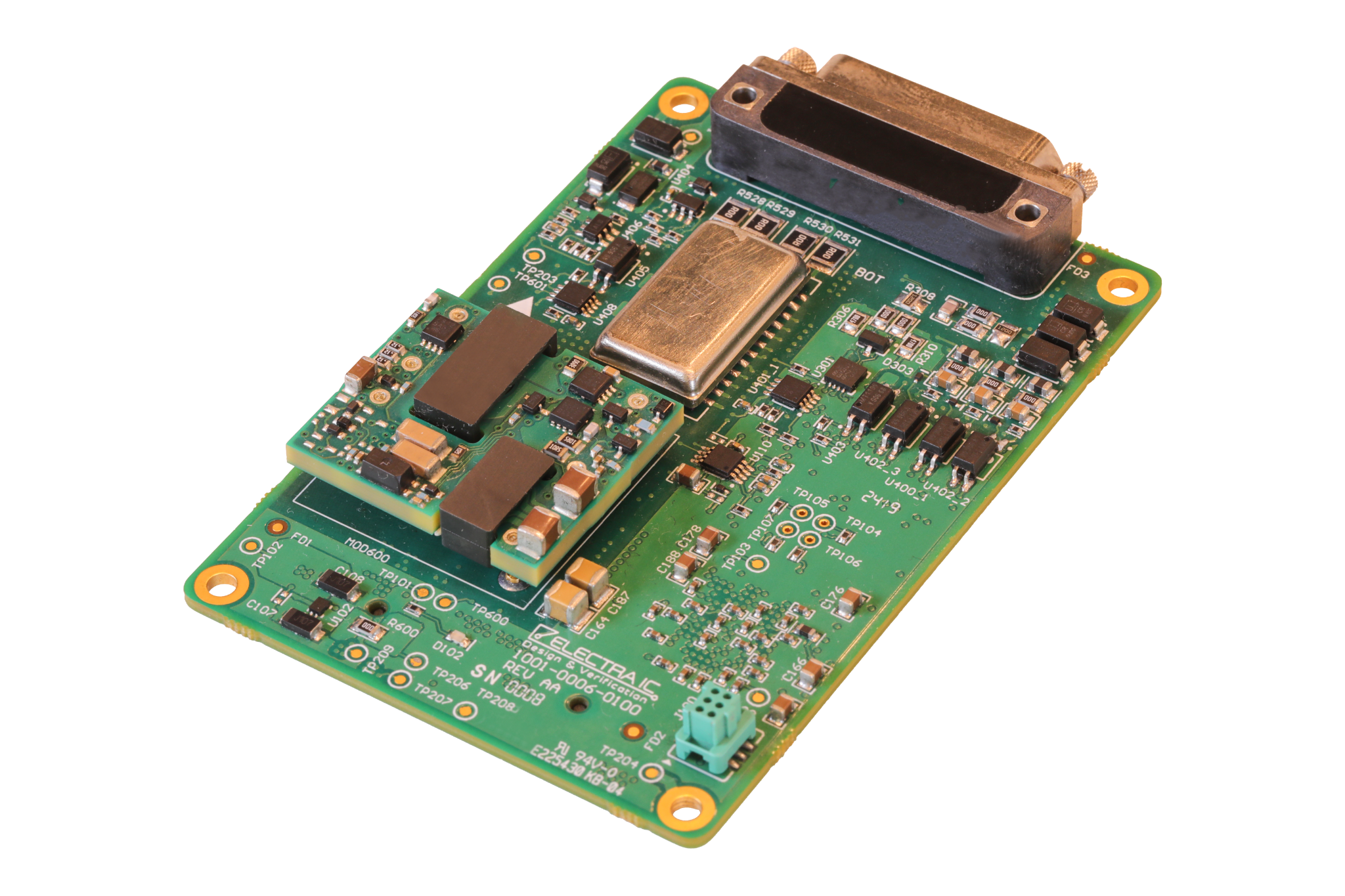
Dual-Redundant MIL-STD-1553B Bus transceiver and transformer | Simultaneously configurable MIL-STD-1553 BC, RT, BM modes | Synchronous/asynchronous parallel or SPI host interface.
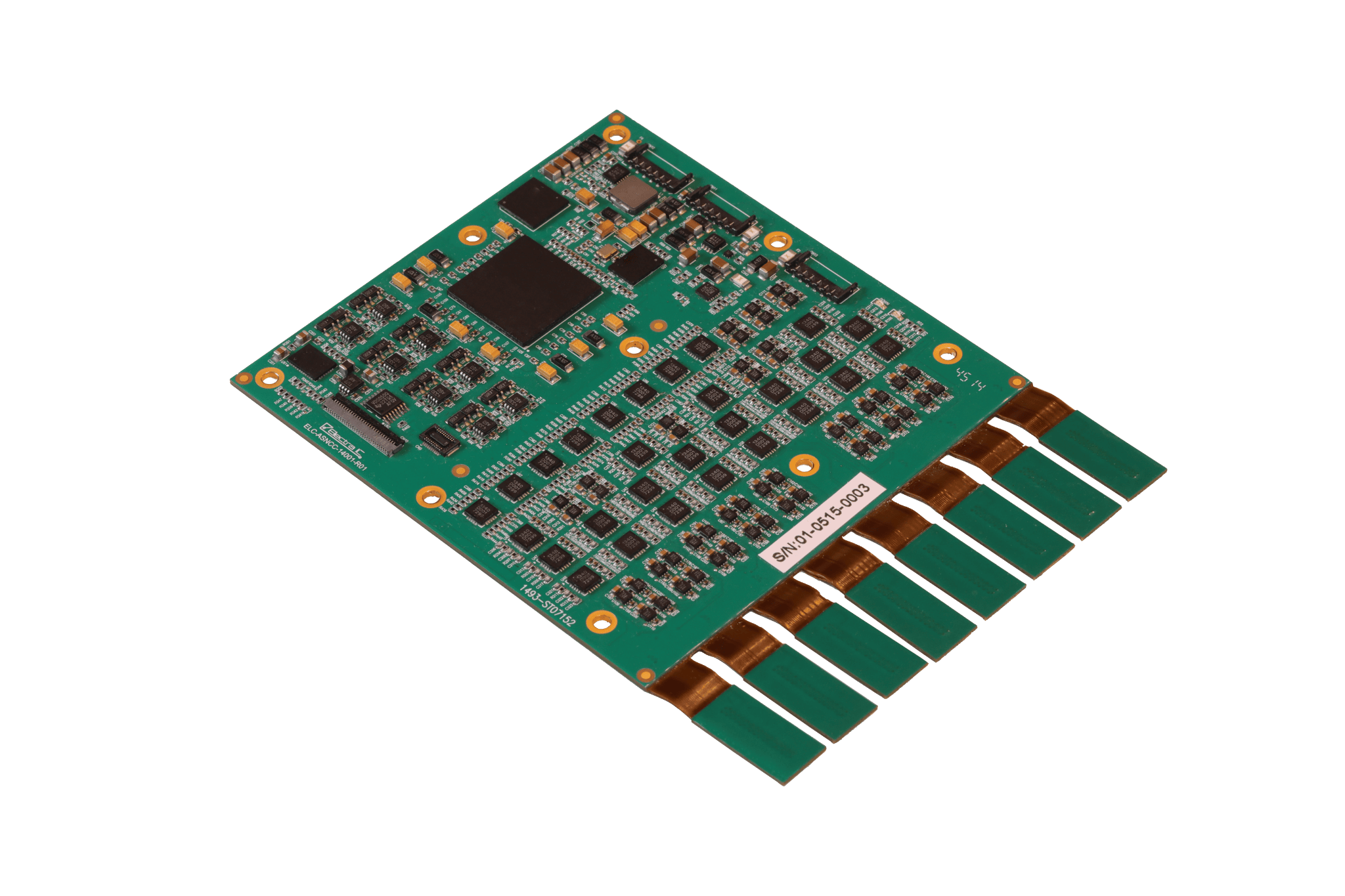
FPGA based structure offers re-programmable messaging structure. 5 Mbps serial interface to control RF modules via various messages scenarios. Supervisory circuit provides overvoltage protection for RF modules.
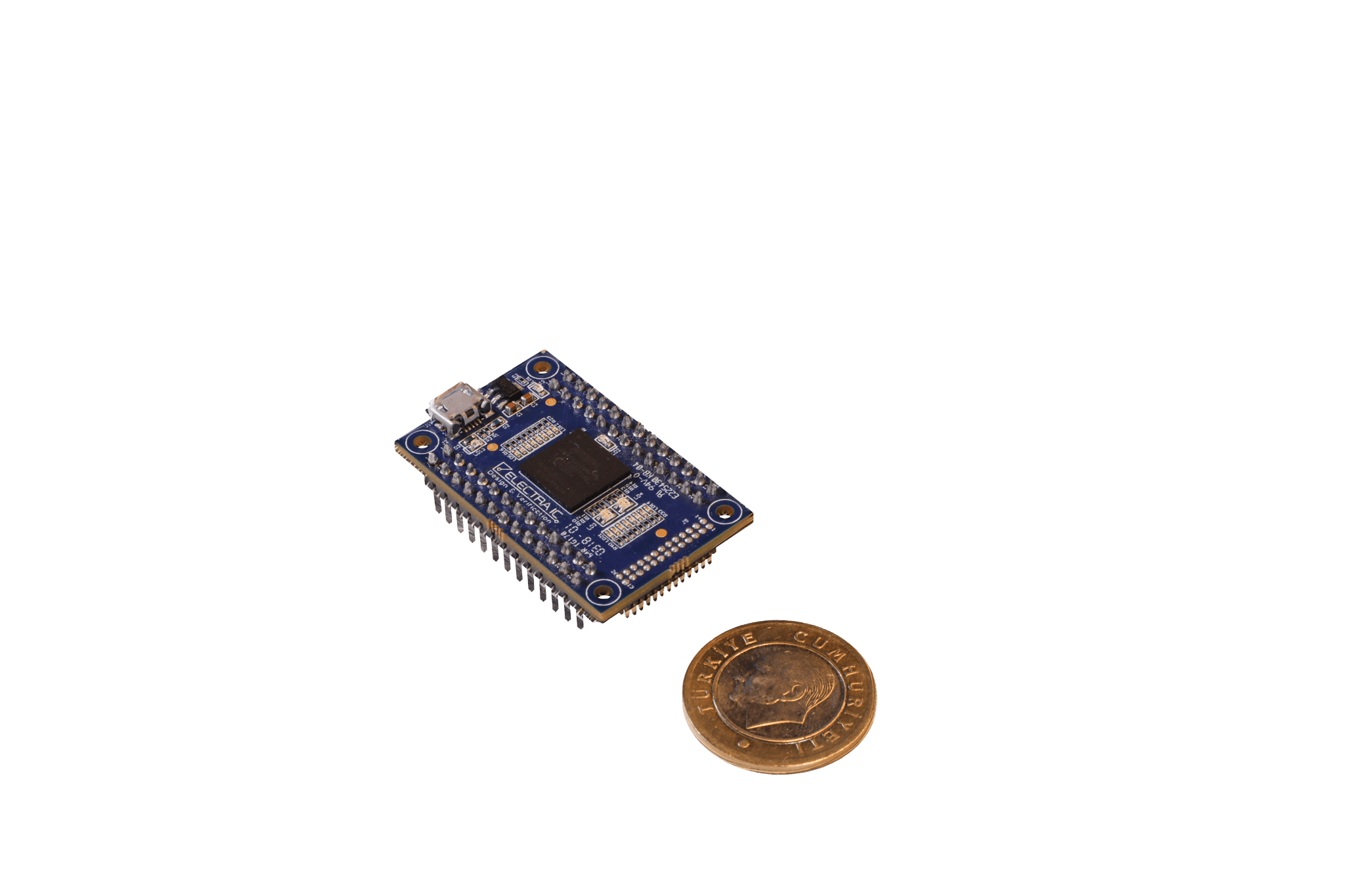
The Flexy FPGA board is a compact, low-cost, open-source FPGA platform based on the Intel MAX10 (MAX10M08SCU169I7G), offering 8K logic elements, 58 GPIOs, a maximum operating frequency of 400 MHz, and industrial temperature range support. It features 16 user LEDs, 2 RGB LEDs, and operates with a single 3.3V power supply. The board can be used with soldered pins for breadboards or PCB sockets, or customized by directly soldering connectors, wires, or components, and is easily programmed via a microUSB interface.

Electra IC’s Architecture-Independent O-RU M-Plane Solution is designed to accelerate and simplify the management of O-RU (Open Radio Unit) within 5G networks. Based on O-RAN M-Plane Release 12.0, this solution offers hierarchical model support and provides a secure, flexible management infrastructure compatible with multiple NETCONF clients.
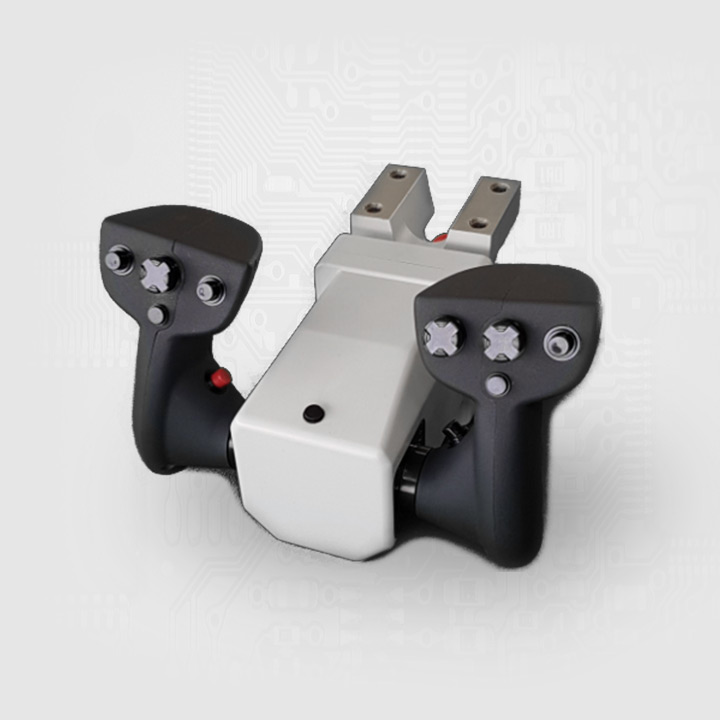
Re-programmable output characteristics | Isolated RS422 | Isolated CAN | USB | Configurable button structure (up to 32 inputs) | SPI potentiometer support (2 ports) SERIAL INTERFACES 1. Isolated RS422 2. Isolated CAN 3. USB
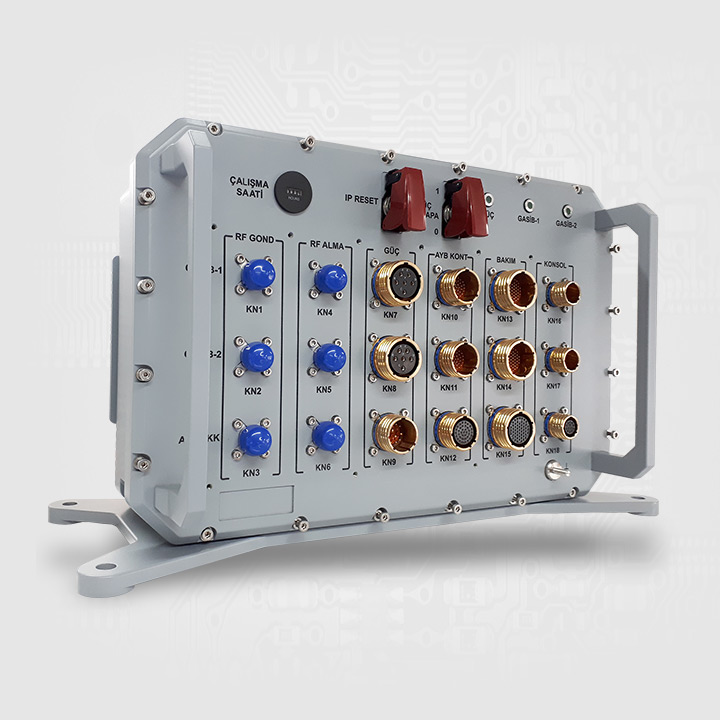
Switching Box is a Military Grade custom product designed by ElectraIC. It performs Ethernet, RF, serial interface, power supply and discrete signal switching functionality to facilitate redundancy in radar systems.
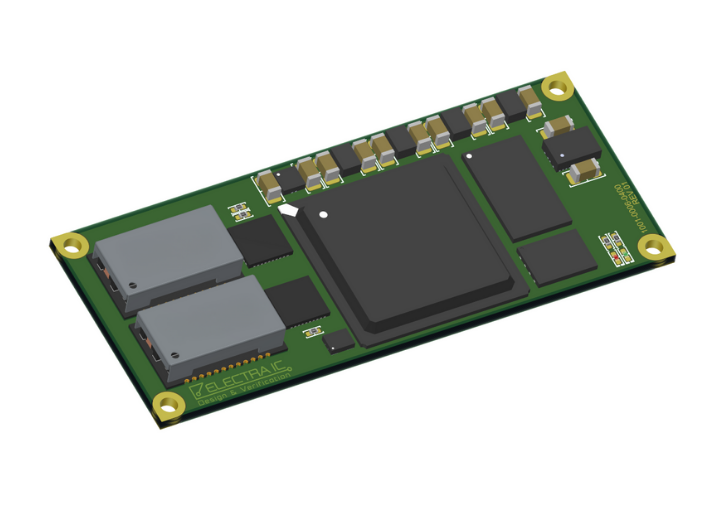
This small form factor PCIe board allows one dual redundant ARINC664 Part7 channel to be easily added to any small embedded system to provide a cost-effective, lightweight, small-size, rugged and reliable bus interface. The board can meet rugged levels of shock and vibration along with a maximum temperature range of -40°C to +85°C.








Mobile Applications